How AI Marketing Automation Is Transforming Business Growth in 2026

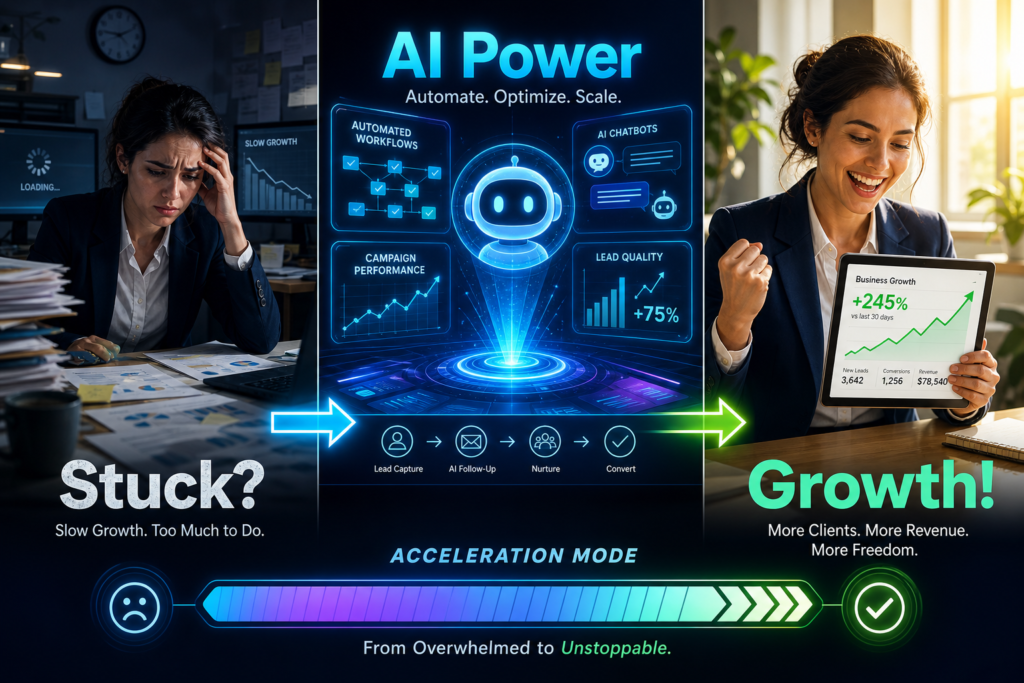
Some links on this page may be affiliate links. If you purchase through them, Rank Nuro may earn a commission at no extra cost to you.
Introduction
Most businesses lose countless hours navigating the complexities of marketing campaigns without realizing that ai marketing automation holds the key to unlocking unprecedented growth. In 2026, companies embracing this technology are gaining a serious competitive advantage by streamlining marketing workflows, personalizing campaigns at scale, and converting leads faster than ever before. The real reason this works is the ability of AI to automate repetitive tasks while intelligently analyzing customer data for smarter decision-making. Keep reading to discover practical steps to implement this game-changing solution in your business.
Why This Matters
Marketing remains one of the most resource-intensive areas seen in company operations, yet many still rely on inefficient manual processes to manage campaigns, segment audiences, and track results. With rising customer expectations and competitive pressure, the biggest mistake is not adopting automation that delivers speed, accuracy, and personalized engagement. AI marketing automation transforms how marketing teams work, enabling businesses to grow faster without adding overhead.
The Problem
Marketing often involves juggling multiple platforms, repetitive follow-ups, and managing data manually. This leads to inconsistent communications, lost leads, and inefficient budgeting. Very few businesses are doing this correctly as they underestimate the complexity and volume of tasks when managing multiple channels and campaigns.
Current Manual Process
Currently, marketing teams spend hours on email list segmentation, content scheduling, data entry in spreadsheets, and manually analyzing performance metrics across platforms like email, social media, and paid ads. Campaign personalization is limited by static segments and slow response times to customer behavior.
Why The Manual Process Fails
This manual approach can’t scale, responds too slowly to market changes, and wastes valuable resources. What happened next surprised many businesses—those that adopted automation platforms started crushing competitors with hyper-personalized, timely, and optimized marketing outreach.
AI Workflow Solution
AI marketing automation integrates intelligent processing and automation to manage lead nurturing, customer segmentation, campaign optimization, and multi-channel coordination. This small change can dramatically improve results by freeing marketing teams to focus on strategy and creative work while AI handles execution and data insights.
Tools Required
 Make.com: No-code automation platform to connect apps and automate workflows.
 Chatbase: AI chatbot builder to automate customer interactions.
 ManyChat: Chat automation for lead capture and follow-up messaging.
 Activepieces: Open source automation to create custom AI workflows.
Step-by-Step Guide
- Identify Business Goals: Define what you want to achieve (e.g., more qualified leads, faster response, improved campaign ROI).
- Map Current Processes: Outline manual marketing tasks including lead capture, nurturing, data entry, and campaign analysis.
- Select Tools: Choose platforms like Make.com for workflow automation and Chatbase or ManyChat for intelligent chat automation.
- Automate Lead Capture: Use AI chatbots to engage prospects instantly on your website or social channels, qualifying them in real-time.
- Integrate Tools: Connect chatbot data automatically into CRM and mailing list software using Make.com workflows removing manual data entry.
- Personalized Campaigns: Set up AI-driven email or messaging sequences triggered by user behavior and profile segmentation to nurture leads effectively.
- Track & Optimize: Use AI analytics inside automation tools to monitor performance and tweak campaigns for maximum conversion.
Real Business Example
A mid-sized SaaS company implemented an ai marketing automation workflow combining Chatbase chatbots for lead qualification and Make.com to automate lead transfer and trigger personalized email campaigns. They saw a 40% reduction in lead response time, 30% increase in qualified leads, and a 25% boost in monthly revenue within 3 months.
Expected Results
- Faster lead engagement and qualification
- Consistent and personalized marketing follow-ups
- Reduced manual errors and time savings
- Improved marketing ROI and customer retention
- Scalable campaigns without headcount increase
Common Mistakes
- Rushing tool implementation without clear goals
- Over-automating and losing human touch
- Ignoring data validation causing wrong segmentation
- Neglecting ongoing optimization of AI workflows
Tips And Best Practices
- Start small, automate one process fully before expanding
- Use AI chatbots that integrate seamlessly with your CRM
- Test and refine automation triggers regularly
- Combine ai chatbot interactions with human follow-up for best results
- Leverage AI analytics for continuous improvement
FAQ
What is AI marketing automation?
It’s using AI-powered tools to automate marketing tasks such as lead generation, campaign management, and customer engagement.
Which tools are best for AI marketing automation?
Tools like Make.com, Chatbase, and ManyChat are popular for building and automating AI workflows.
How soon can business see results?
Many businesses notice improvements within weeks to a few months depending on the workflow complexity and market conditions.
Final Thoughts
AI marketing automation is no longer optional in 2026 if you want to accelerate business growth. The hidden advantage is the ability to scale personalized marketing with precision and speed. By carefully selecting the right tools and building a clear workflow, your business can transform repetitive marketing chores into an engine for sustained growth. Most people overlook this opportunity until competitors outpace them. Now is the time to act and harness the power of ai marketing automation for your success.